Advocating for more Housing Choices
For the first time in a generation, Denver is updating what kinds of homes can be built in its residential neighborhoods.
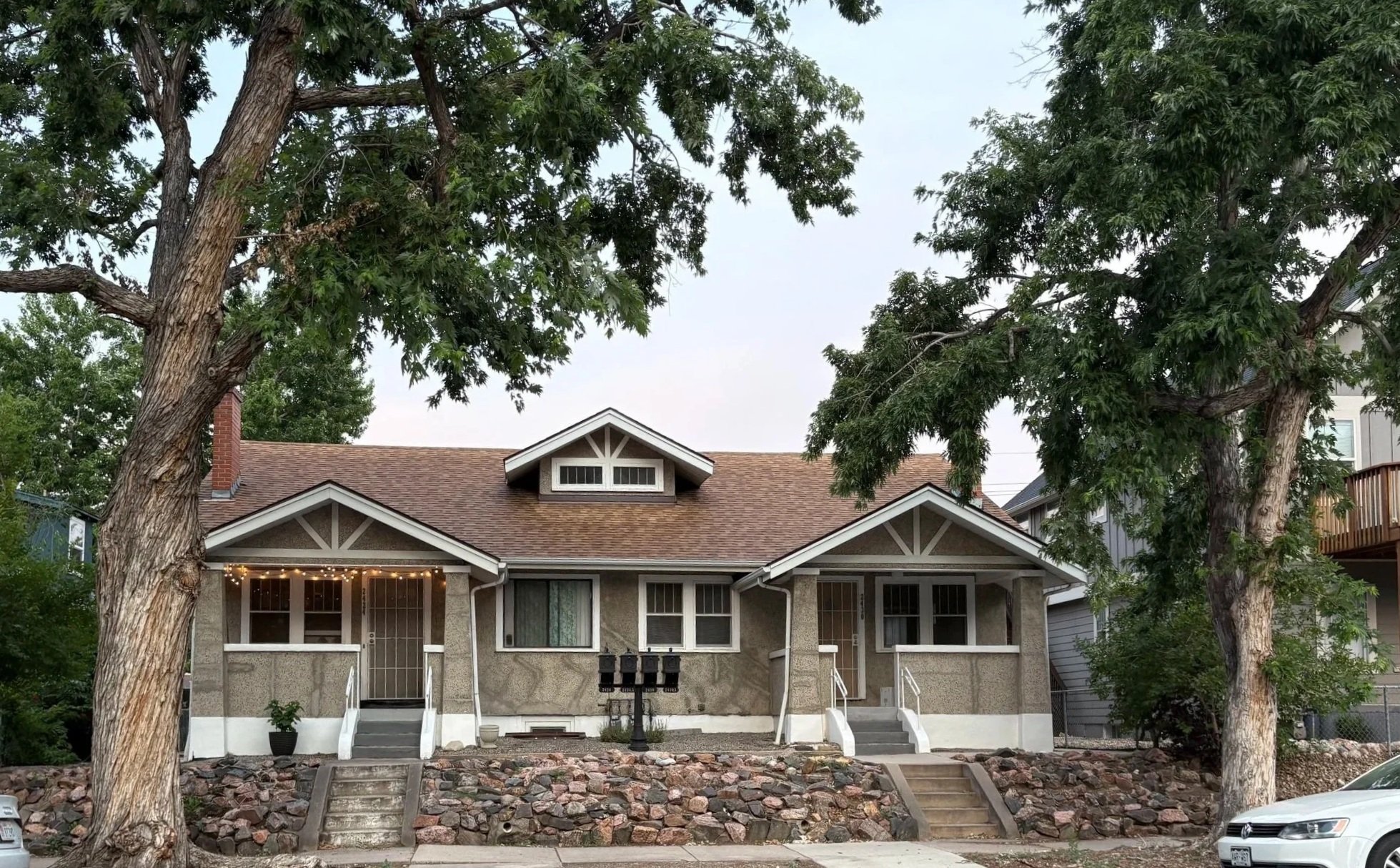
Unlocking Housing Choices (UHC) would re-legalize “missing middle housing”—like duplexes, triplexes, fourplexes, and cottage clusters—in areas where detached single-unit homes are currently the only option. Middle housing can be designed and situated to fit in with (and often resemble) one-family homes.
This is a practical, proven path to making Denver a place where more people can afford to live, buy a starter home, put down roots, and stay connected to their communities.
Right now a policy scale-back is under consideration that would cut almost 50% of the city’s land from the project. We support retaining city-wide geography.
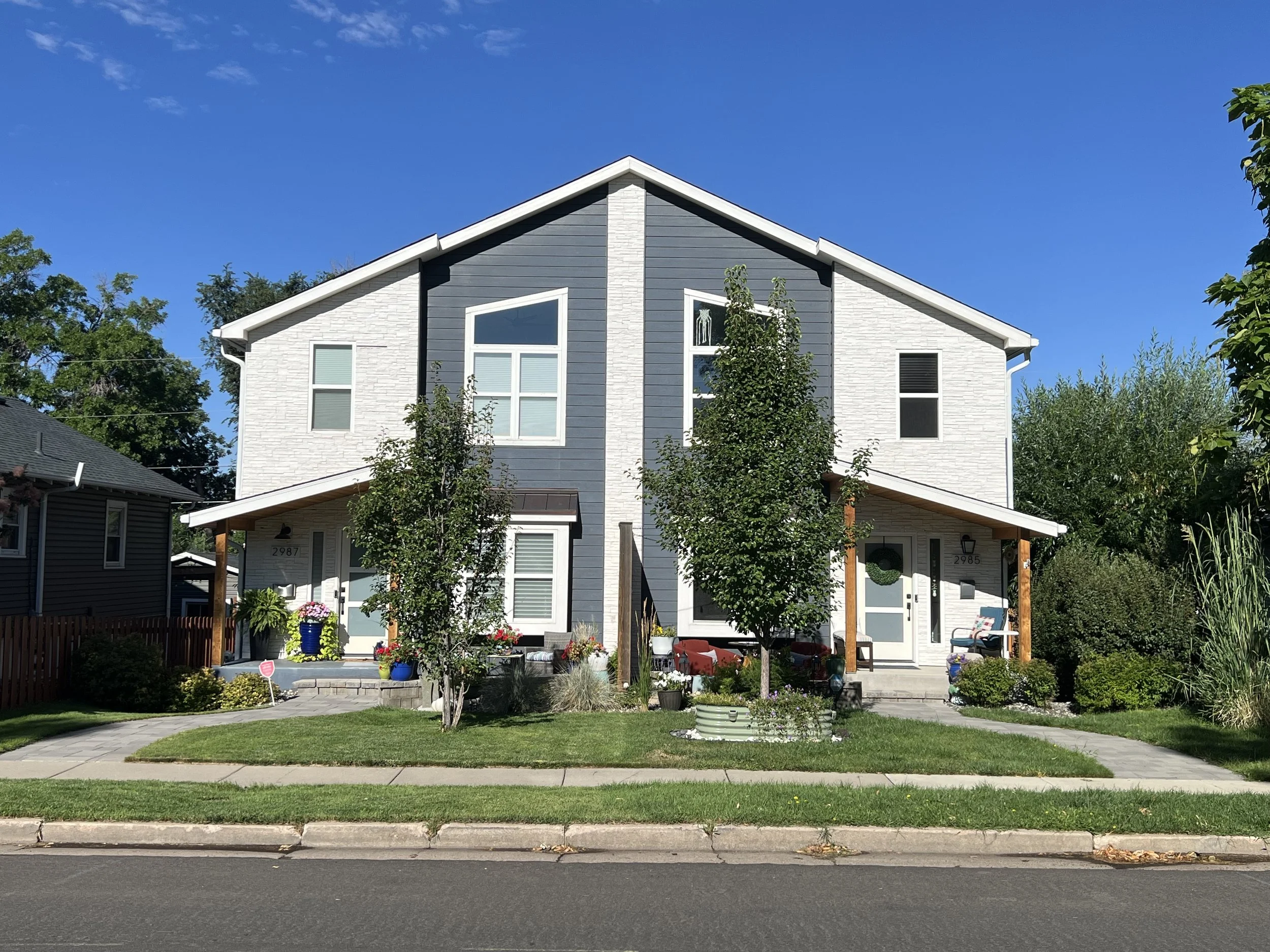
Example of a modern duplex
Why Denverites need this
Denver’s housing shortage and rising prices explored
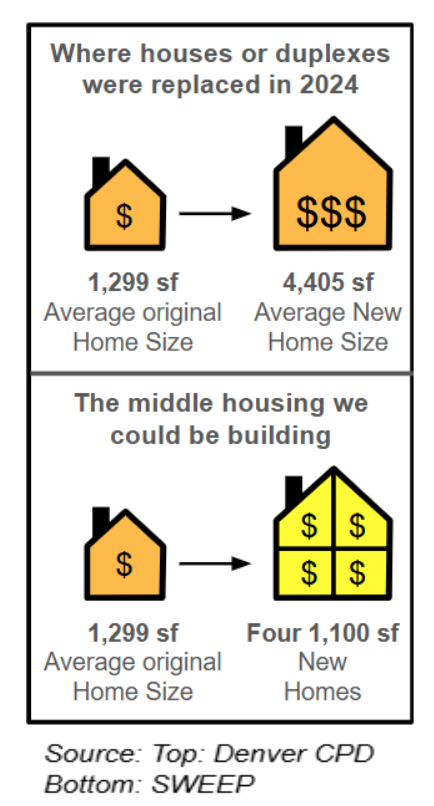
Denver is facing a housing shortage that affects us all. A recent Colorado Health Foundation poll again lists the cost of housing as a top concern for many Coloradans. Home ownership feels out of reach, starter homes and downsizing options are scarce, and housing costs are still higher than what many can afford. The average household size has shrunk to 2.1 people, yet many neighborhoods still offer only one type of home: large, expensive, single-family houses. Where new development in these neighborhoods does occur, it too often exacerbates the issue, with 66 tear downs in 2024 replacing smaller homes with much larger, costlier ones. Large luxury redevelopments of older single-family homes should not come as a surprise; when zoning limits each lot to a single home, high land values make it economical to build only the largest and most expensive house possible. This trend consumes scarce city land, drives up prices, and is a mismatch for the one- and two-person households that now make up most of our city. It also prevents people who would like to downsize from aging in community.
Prohibiting housing types that are inherently more attainable—like duplexes, triplexes, and rowhomes—has contributed to the problem; re-legalizing them is a core solution. Allowing these types of homes to be built again would help fill the gap in Denver’s housing diversity with options that fit naturally between larger-scale apartment buildings and single-family houses.
Middle housing options—from duplexes and triplexes to rowhomes—usually cost less to build due to their smaller size and because land costs are spread across multiple homes. For example, middle housing types built in Lakewood, CO this century sell for $500,000 less than single-family houses (p. 80) and $300,000 less in Portland for recent construction (p. 41), typically with HOA-type fees below $50 per month.
Denverites support more middle housing
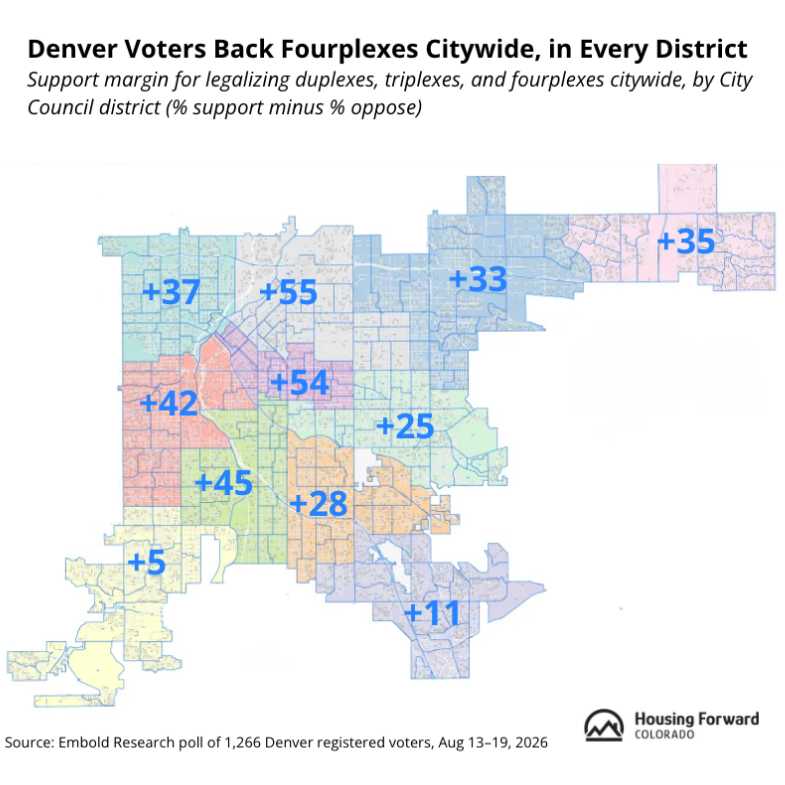
60% of Denverites support fourplexes city wide
Results from an August 2026 poll revealed that the majority of Denverites (more than a 2:1 ratio) support duplexes, triplexes, and fourplexes to be allowed city wide.
Denver needs more starter homes and people across the city are ready to see them be built in every neighborhood.
Evidence that re-legalizing middle housing works
Portland’s reform, in effect for 3 years, has delivered around 400 middle housing units each year; a modest but meaningful contribution. This also shows that change is gradual, not disruptive.
Key findings reported by Portland:
New homes have been well distributed across wealthier and neighborhoods more vulnerable to displacement—a welcome result following concern about concentrated development in lower-income neighborhoods;
Demolitions have not increased, and the city is now averaging 3-4 homes per demolition instead of just one large home; and
Most homes are available for purchase rather than for rent, helping more families to gain stability and build wealth.
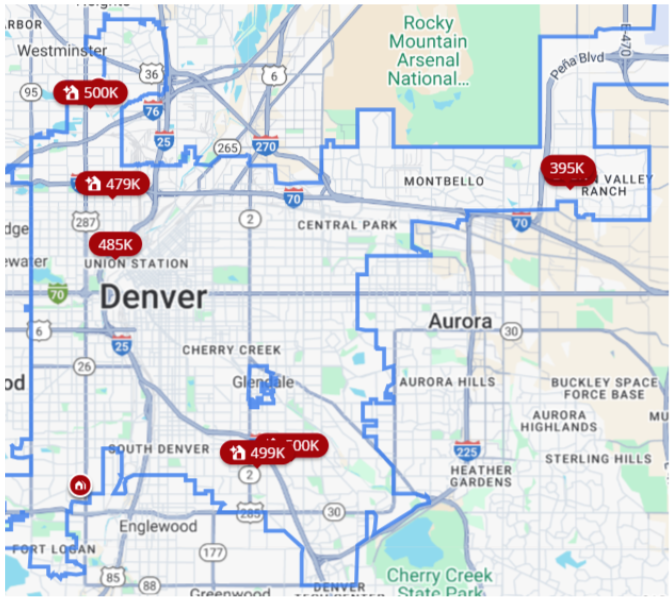
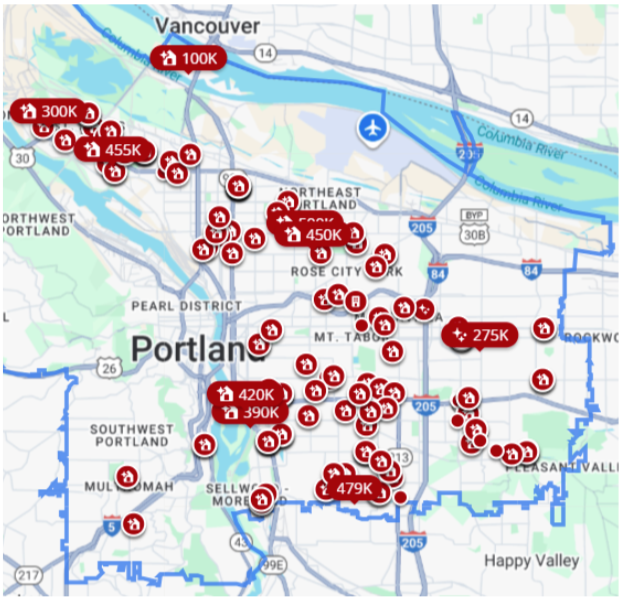
A simple Zillow search illustrates the impact. Homes built since 2023, priced under $500,000, HOA fees under $200/month. Denver: 13 listings | Portland: 240 listings. A direct result of middle housing policy.